Every spring, Rhode Island homeowners face the same question: when should I mulch, and how much do I need? Mulching is one of the simplest ways to make your landscape look polished — and it does a lot more than just look good.
Here's everything you need to know about spring mulching in Rhode Island.
Why Mulch Matters
A fresh layer of mulch does several things at once:
- Retains moisture — Rhode Island summers bring dry stretches that stress plants. Mulch keeps soil from drying out as fast, which means less watering.
- Suppresses weeds — A 2-3 inch layer blocks sunlight from reaching weed seeds. Fewer weeds means less time on your hands and knees pulling them.
- Regulates soil temperature — Rhode Island's spring weather swings between 40°F and 70°F. Mulch insulates roots against those temperature swings.
- Prevents erosion — Heavy spring rains wash away exposed soil. Mulch holds everything in place.
- Improves soil over time — Organic mulch breaks down gradually, adding nutrients back into the soil.
When to Mulch in Rhode Island
The best time to mulch in Rhode Island is mid-April through May — after the ground has thawed and dried out a bit, but before summer heat sets in.
A few things to keep in mind:
- Wait for the ground to warm up. Mulching too early traps cold in the soil and delays plant growth. After the Blizzard of '26, many properties still had frozen ground well into April — patience pays off.
- Clean up first. Clear out dead leaves, old mulch that's broken down to nothing, and any winter debris before laying fresh mulch. Piling new mulch on top of a mess just buries problems.
- Time it with your spring cleanup. If you're already having spring cleanup done, adding mulch at the same time saves a trip and gets everything done at once.
What Type of Mulch Should You Use?
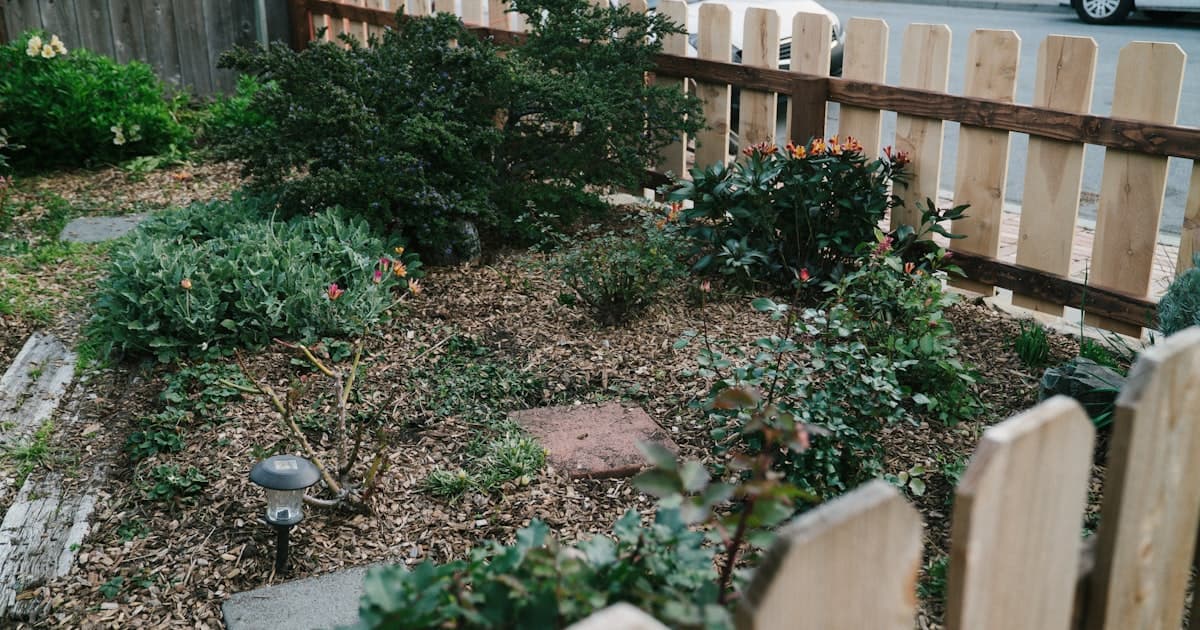
For most Rhode Island landscapes, hardwood bark mulch is the go-to choice. It's widely available, affordable, looks clean, and breaks down slowly enough to last through the season.
Here's how the common options compare:
Hardwood Bark Mulch The standard choice for most garden beds. Dark brown color, holds its shape well, and lasts a full season. This is what we install on most residential properties.
Cedar Mulch Naturally resistant to insects and slower to decompose. Costs a bit more but lasts longer. Good choice if you have beds close to the house and want to discourage pests.
Pine Bark Nuggets Larger chunks that work well on slopes because they don't wash away as easily. They do float in heavy rain though, so they're not ideal for flat beds that puddle.
Dyed Mulch (Red or Black) Some homeowners like the look. It holds its color longer than natural mulch. Just make sure it's made from clean wood — some dyed mulch is made from recycled construction lumber that can contain chemicals you don't want in your garden.
How Much Do You Need?
The standard recommendation is 2 to 3 inches of mulch over your garden beds. Here's how to estimate what you need:
- Measure the total square footage of your beds
- For 2 inches of coverage: divide square footage by 162 to get cubic yards
- For 3 inches of coverage: divide square footage by 108 to get cubic yards
For a typical Rhode Island home with 400 square feet of garden beds, you'd need roughly 3 to 4 cubic yards of mulch. That's about 2 to 3 pickup truck loads — or one professional delivery.
Common Mulching Mistakes
Volcano mulching around trees This is the number one mistake we see. Piling mulch up against tree trunks creates a moisture trap that causes bark to rot and invites disease and insects. Keep mulch 2 to 3 inches away from the base of any tree.
Mulching too deep More isn't better. Layers thicker than 4 inches suffocate roots, trap too much moisture, and create a breeding ground for fungus. If you have old mulch that's still intact, you may only need a thin refresh layer on top.
Skipping bed edging A crisp edge between your mulch beds and lawn makes everything look sharper. Without it, mulch spills into the grass and grass creeps into the beds. We edge all beds before mulching — it makes a big difference.
Using the wrong mulch near the house Organic mulch right against your foundation can attract termites and carpenter ants. Leave a 6-inch gap of bare soil or use stone mulch directly against the house.
Let Us Handle the Mulching
Mulching sounds simple — and it is — but doing it right across an entire property is a full day of hauling, spreading, and edging. A professional crew gets it done faster and cleaner, with the right amount in every bed.
At Four Seasons Lawn Care, mulch installation is one of our most popular spring services. We handle everything: cleanup, edging, delivery, and installation. Your beds will look fresh and stay that way all season.
Ready for spring mulch? Call or text (401) 767-0067 for a free estimate.